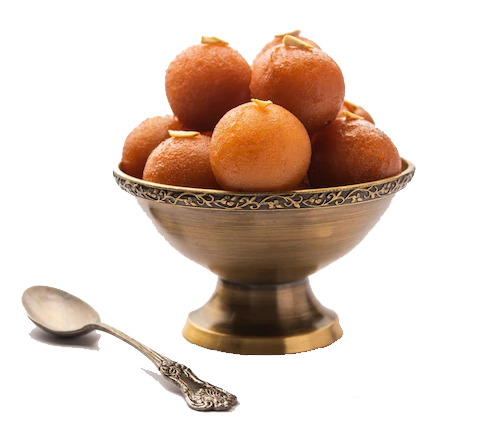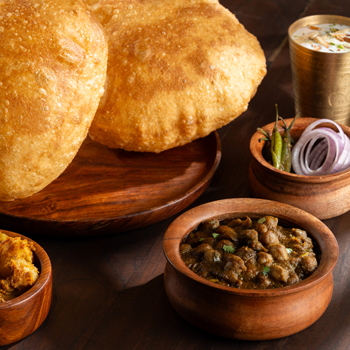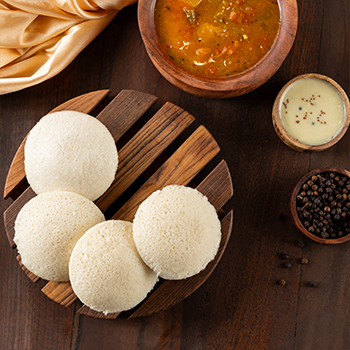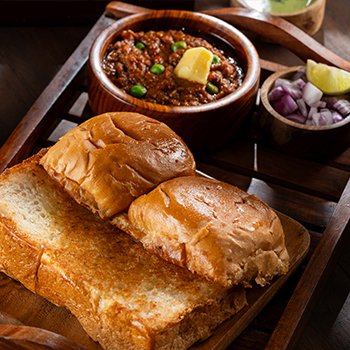
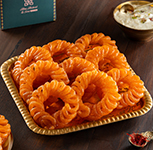
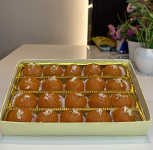

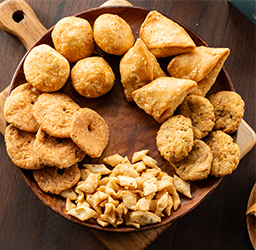
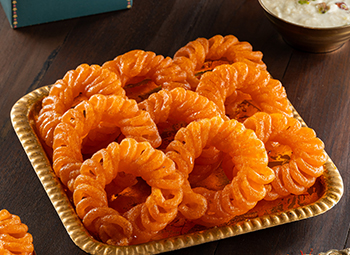
Once upon a time, in the heart of Prayagraj, amidst the bustling streets and whispers of history, a humble legacy was born. Picture this: it was the year 1942, and a young dreamer named Hiralal Kesarwani took his first steps into the world of sweets. Armed with nothing but a fiery spirit and a recipe for pakodis and jalebis, he set up his humble stall at the age of just 18. But oh, the winds of change were harsh! Under the shadow of British rule, every step forward felt like a battle against the oppressors who sought to quell the rise of Indian enterprise.
Yet, Hiralal was no ordinary soul; he was a warrior, a fighter who refused to yield. Despite facing the wrath of British officers, his stall stood strong, a beacon of resilience amidst adversity. With each crispy pakodi and syrupy jalebi he sold, he etched his mark on the city, earning a spot in the hearts of its people. They fondly called it the Hira Halwai Chauraha, a testament to his unwavering spirit.
As India unfurled its flag of freedom in 1947, Hiralal dared to dream bigger. With the support of the municipal corporation, he transformed his modest khumcha into a wooden gomti, a symbol of his evolving vision. And in 1968, fate smiled upon him as the Allahabad Development Authority officer Mahmood Butt bestowed upon him a properly constructed gomti, paving the way for his sweet empire to flourish.
But Hiralal's story is not just one of survival; it is a saga of integrity and passion passed down through generations. He instilled in his children the values of honesty and customer trust, teaching them